The Case for God’s Character
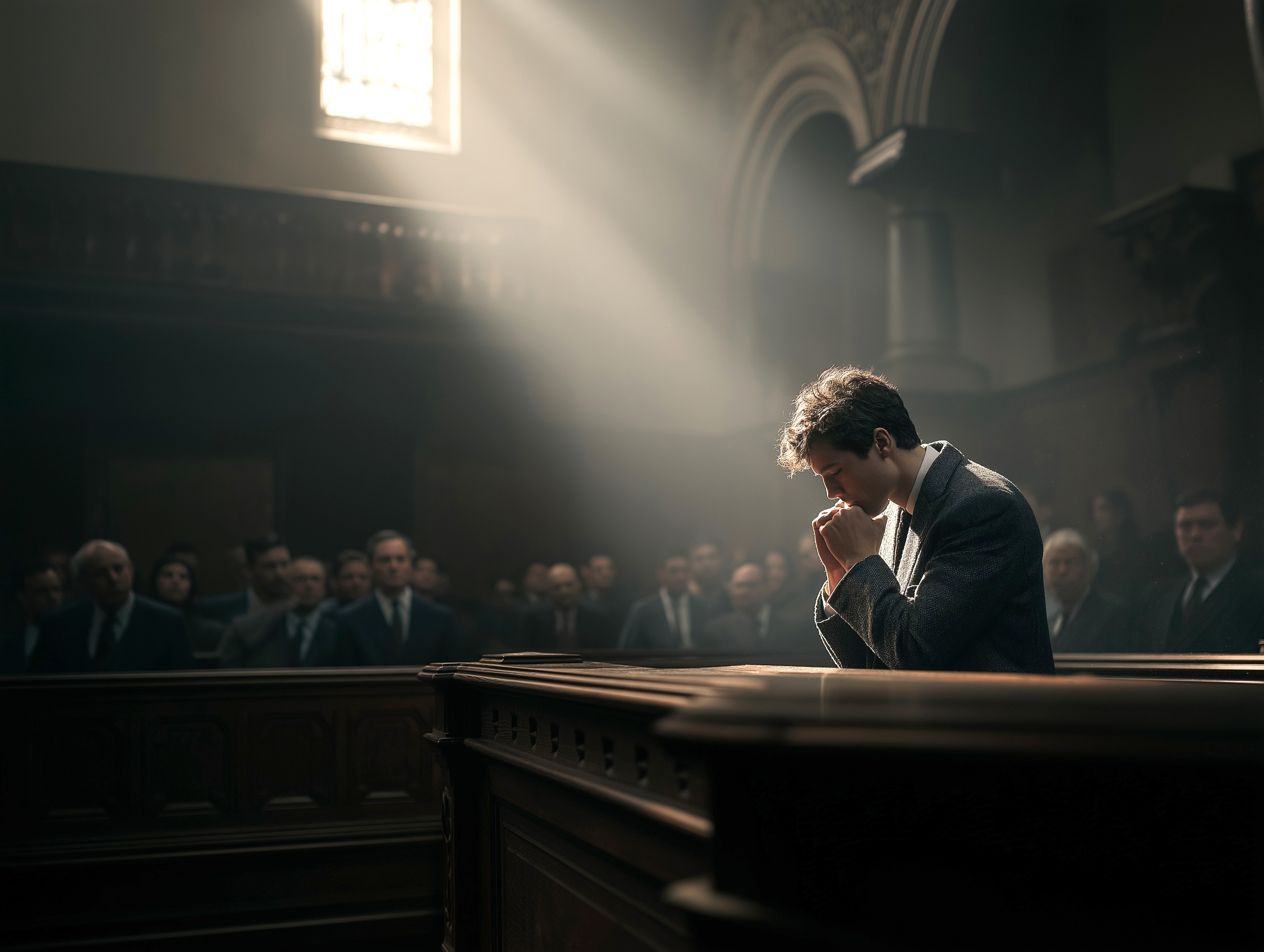
Imagine being accused of a crime you didn’t commit. To be wrongfully accused must be one of the most frustrating experiences anyone can face, particularly when the stakes are high. Now, imagine that crime you’ve been accused of carries the death penalty. It’s hard to imagine how that must feel, yet this is something that hundreds of people have experienced.
As of today, more than 200 people have been exonerated from capital punishment since 1973. Many were exonerated because of new evidence that wasn’t previously available. What's noteworthy is that these exonerations occurred only through more investigation, more data and more trials.
Though it’s hard for me to imagine what it would be like to be falsely accused, this is something God has experienced. We can't fully understand the depth and breadth of what He went through when Lucifer falsely accused Him of many wrongs.
Though the accusations began in heaven, they continue to this day, and you probably know someone who believes them. To set the record straight: God isn’t the cause of evil, He doesn’t enjoy suffering and pain, He isn’t arbitrary in dealing with His creatures and He isn’t a liar. As 1 John 4:8 tells us, “God is love.”
I’m grateful that God has revealed to us the way in which He'll not only solve the problem of sin (how humanity can be redeemed) but also clear His character before the heavenly universe once and for all. After all, if God merely redeems humanity, but many among the redeemed or the heavenly host still have reservations about His true character, then the Great Controversy has not been satisfactorily concluded.
Mere forgiveness, especially in the cases of great wrongdoing, can raise serious questions about justice. Imagine a king who has a subject in his kingdom who is particularly unruly, doesn’t honor or respect the king and does everything he can to encourage others to be disloyal. He commits many murders (even killing some of the king’s own children), promotes and practices customs forbidden by the king’s laws and encourages immorality and civil unrest in the kingdom. Finally, after a long time, this person is captured and brought before the king. But the king decides to forgive him and lets him go. (See 2 Chronicles 33). Would you say the ruler of that kingdom was a good or evil king? At the very least, you would want to know why and for what reason the king decided to let him go free. You would want to see the evidence, as this may change the way you perceive the king.
This is why the Bible portrays two phases in God’s dealing with the problem of sin. In the first phase, Christ acts as our High Priest and forgives us when we confess and repent of our sins. He can do this because He died on the cross, bearing our sins. But this leaves a question in the minds of other beings: How can a good God forgive sinful people and remain good? The second phase seeks to answer this question through investigation and judgment. Its purpose is not to determine who is guilty and who is not (We are all guilty.), but rather to reveal the reasons why God has forgiven some and not others. Some repent and others do not. Through this investigation, God is vindicated in His judgments. He is shown to be just in forgiving some and not forgiving others. He has made no mistakes in anyone’s case, all the while doing everything He could to bring every individual to repentance.
This two-phase ministry is typified in the Hebrew sanctuary system. Throughout the year, people brought sacrifices to the sanctuary, were forgiven and had their sins symbolically transferred to the sanctuary. But on the Day of Atonement, the sanctuary was cleansed, ultimately demonstrating that God is not the cause of sin.
The best part of this investigation is that it will be done so thoroughly that, once completed, it is over for good.
By Endi Stojanovic, Assistant Professor, Department of Religion, Southwestern Adventist University