The Benefits of Outdoor Play
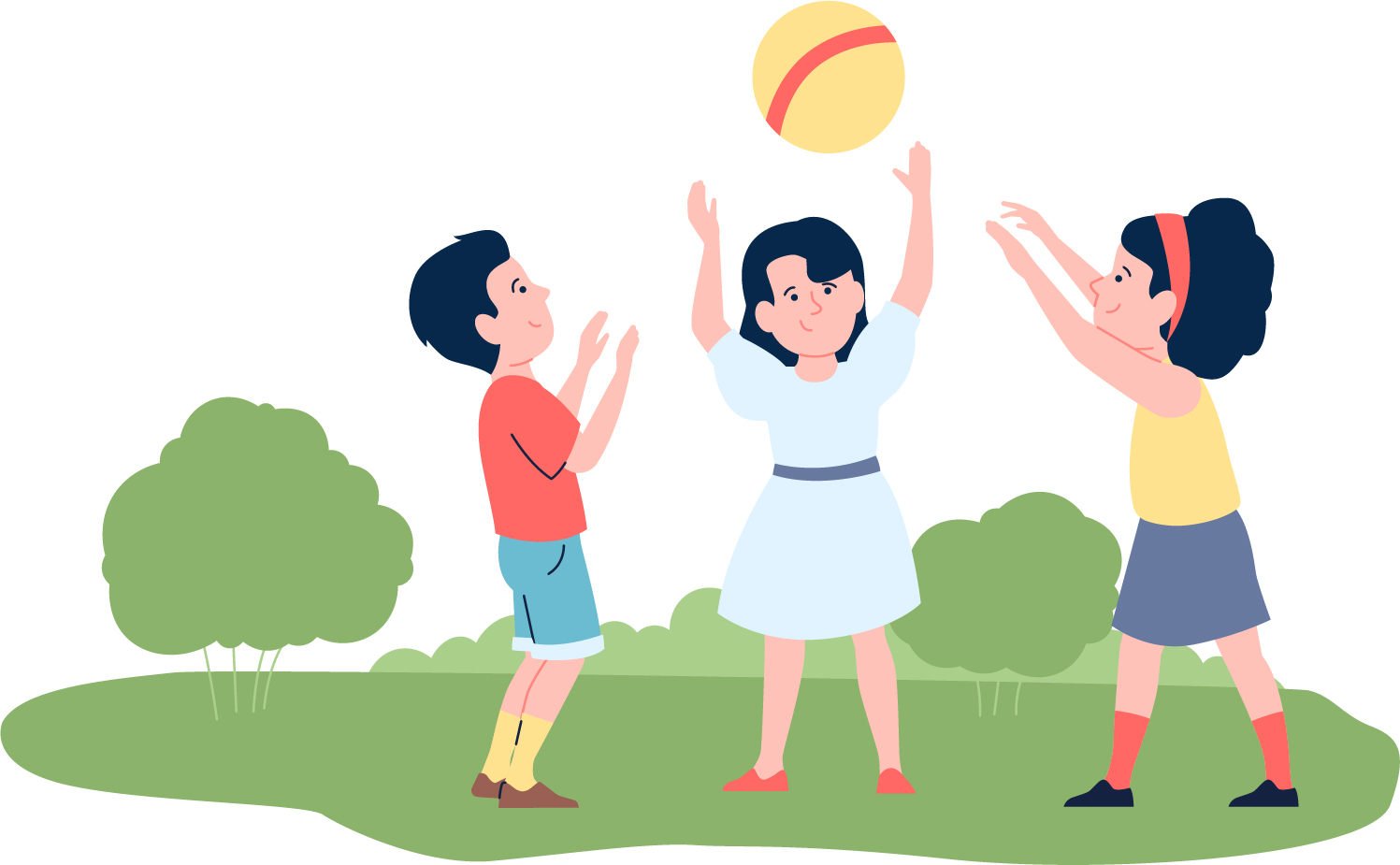
As parents, we want our children to succeed academically. We look for a strong curriculum, dedicated teachers and measurable progress. It can seem logical that the more time devoted to direct instruction, the better the academic results will be. From that perspective, time spent outdoors might appear secondary to classroom learning. However, research suggests just the opposite.
Outdoor play is a cornerstone of holistic education, transforming nature into a dynamic classroom that fosters physical, cognitive and social development. Consider the following benefits.
1 Cognitive and Academic Benefits
Executive function: Outdoor play improves skills such as planning, troubleshooting and multitasking. Unstructured time allows children to invent games and solve problems independently.
STEM learning: Natural environments provide hands-on lessons in science (such as life cycles or weather) and math (such as sorting rocks by size or measuring water volume).
2 Physical Health and Well-Being
Motor skill development: When children navigate uneven terrain, climb and run, they are building essential gross and fine motor skills.
Disease prevention: Exposure to sunlight provides vitamin D for bone health and immune function. Regular activity also reduces the risk of childhood obesity and nearsightedness.
Stress reduction: Natural settings offer a calming environment that reduces anxiety and helps regulate emotions.
3 Social and Emotional Growth
Collaboration: Group activities (such as building a fort or playing tag) require negotiation, teamwork and conflict resolution.
Risk management: Outdoor spaces allow for “risky play” (for example, climbing trees), which builds self-confidence and resilience as children learn to assess their capabilities.
4 Supporting Diverse Learners
ADHD support: Studies indicate that even short periods in green spaces can significantly improve attention and reduce ADHD symptoms.
Sensory processing: The varied textures, sounds and smells of the outdoors stimulate the brain in ways indoor environments cannot replicate.
As Adventists, we should not be surprised. Ellen G. White emphasized outdoor activity as a vital component of a child’s physical, mental and spiritual development. In her books Education and Child Guidance, she advocated for children to spend time outdoors engaging in active play, practical labor and interaction with nature.
White believed and taught that outdoor activity promoted:
• Physical health by strengthening the body and improving circulation.
• Mental clarity by relieving stress and preventing overexertion of the mind.
• Moral and spiritual growth by fostering appreciation for God’s creation.
Balanced character development by combining work, play and study.
She also warned against excessive confinement indoors, prolonged book study for young children and an education system that neglected physical movement. For her, outdoor play was not merely recreation; it was part of a divinely designed system for whole-person development.
Modern educators and White share key similarities in their educational thought:
• Both recognize that outdoor play as essential and not optional.
• Both warn against overemphasizing academics at the expense of health.
• Both value balance between mental, physical and social development.
• Both see nature as a powerful educational environment.
In many ways, modern research confirms what White wrote more than a century ago.
It’s time to get our children outdoors and reap the benefits.
By Mike Furr, Southwestern Union Director of Secondary Education