A Calling to Compassionate Justice
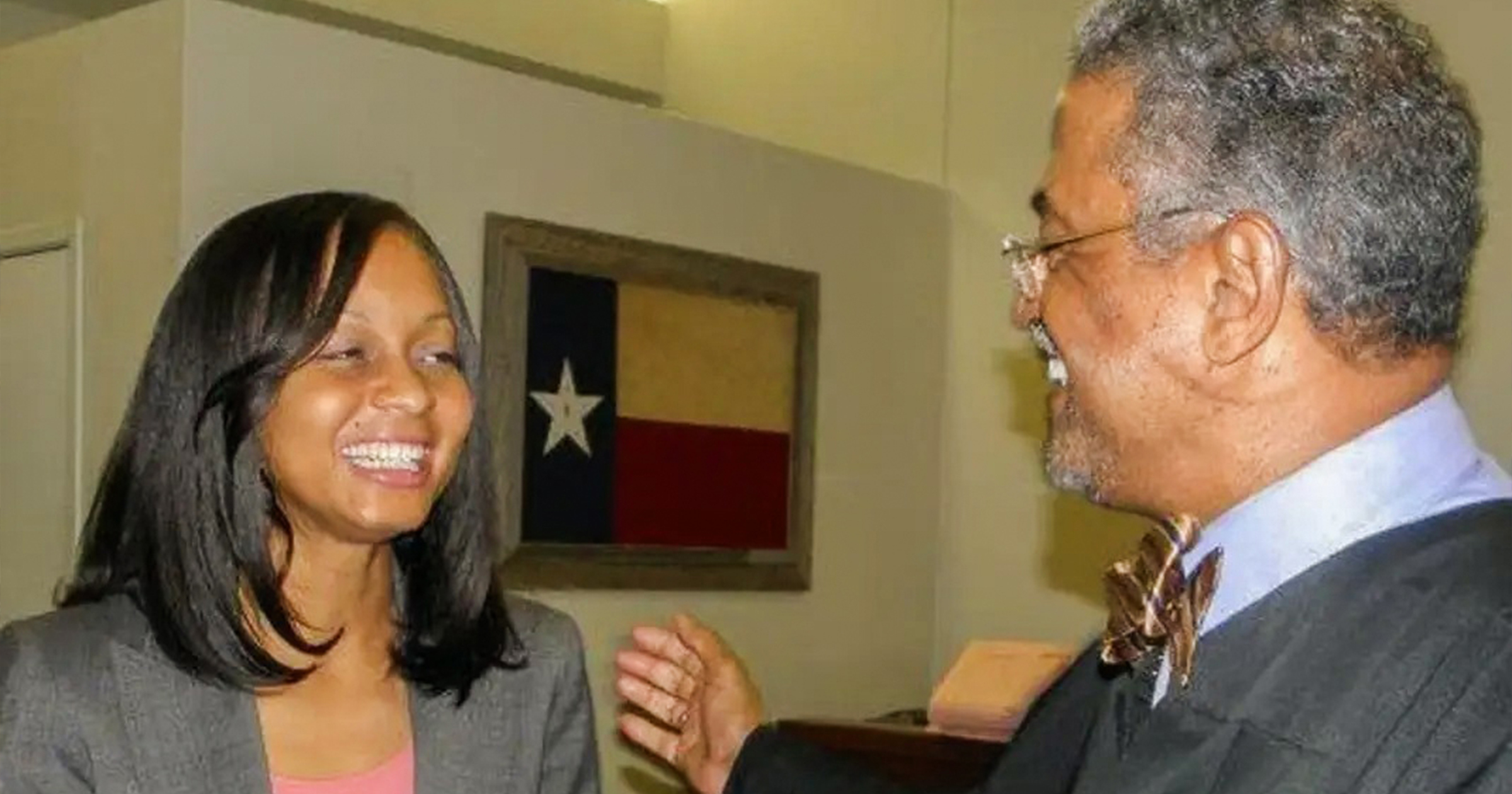
“The Court imposes the maximum sentence.” The Dallas County judge who spoke was known for harsh sentences.
Carrie Singleton steadied herself. She believed people should answer for their actions, but should also be seen as more than their mistakes. “Respectfully, Judge,” she said, “is there any reason you’re suggesting the maximum time for my client?”
“He needs treatment,” the judge responded. But her client didn’t want to do treatment again. Singleton had negotiated to switch his penalty from a treatment program to a prison sentence. Now, the judge was imposing a harsher sentence than anticipated.
“Judge,” Singleton persisted, “does that mean you are not considering the full penalty range for my client, including the treatment and probation he’s already done?” The courtroom grew quieter, and several people looked up.
“No,” the judge said. “If he wants time, he’s going to get the max.”
Singleton had witnessed how a judge who looked beyond a criminal record could alter the trajectory of a person’s life, but now she was in a disagreement with the opposite kind of judge. Regardless, she was going to advocate for her client, which meant presenting her client’s plea to a different judge. That complicated matters.
Singleton left the courtroom with a plan. She would challenge this judge with a motion of recusal. However, as an assistant public defender, her court assignments were at the mercy of the presiding judges, and she needed her manager to be aware of the situation.
Singleton tapped on her manager's door. “Chief, I wanted to run this by you,” Singleton started. She explained what had happened and what she planned to do.
“I support your thought process on this,” the chief public defender said.
Singleton filled out the paperwork and prayed, “Lord, let Your will be done. If I am going to be reassigned, reassign me. Thank you for your hand in this, whatever the outcome.” Her motion was granted.
Singleton continued building her career within Dallas County, pursuing leadership opportunities and training while handling the demanding work of criminal defense. She believed deeply in public service and hoped to grow into greater responsibility.
Repeatedly, Singleton was passed over by candidates with equal experience, and in some cases, with less training than her. Each rejection sharpened the realization that despite all her effort, the leadership door she wanted to walk through never fully opened.
The Promotion That Never Came
Sitting across from her manager, Singleton listened to another rejection.
“Are you okay?” her manager asked.
“I’m fine,” Singleton replied. “I need to start planning my exit strategy.”
Singleton became intentional about saving money. Six months later, she gave notice that she would be quitting so she could campaign to be a judge.
Leaving her position to campaign full time brought financial uncertainty, but shortly after giving notice, Singleton received an unexpected call that significantly reduced her insurance costs.
Encouraged, Singleton threw herself into campaigning. She spent months moving from community events to neighborhood canvassing, often returning home exhausted before preparing for the next day’s schedule.
Some days were especially difficult. On one day, Singleton sat for three separate interviews across the city before returning to campaign responsibilities that evening. Campaigning rarely offered proof that the work was paying off. Still, Singleton remained committed to seeing it through.
Prayer continued to be part of Singleton’s daily rhythm. She prayed before interviews, while traveling across the city and during moments of exhaustion and uncertainty.
The Check She Never Expected
With only one week left, Singleton’s campaign manager went over some numbers. “I don’t like how close these numbers are to my opponent’s,” Singleton said, “There’s over 40 percent of voters that say they’re still undecided. What can we do?”
“It would be worth it to run a personal text message to the targeted audience,” her campaign manager suggested. “To run the text will be $2,500.”
Singleton frowned. Her campaign fund was nearly depleted. Not willing to leave anything on the table, Singleton decided to pay for the service out of her own pocket.
She tried sending the money to her campaign manager through a payment app. Despite it being the way she’d made previous payments, this payment wouldn't go through. Then she decided to try a credit card, but that payment was rejected as well.
“Can I give you a check when I see you on Friday?” Singleton asked her campaign manager. He agreed and sent out the campaign text.
That same day, Singleton received a call indicating a family friend had sent a check that hadn't been cashed. Singleton was surprised. Most donations came in electronically rather than through the mail, and it had been awhile since she'd received any donations.
“Alright,” Singleton acknowledged, “I’ll go to the post office now.”
Sorting through the stack of mail, she discovered that check for exactly $2,500. Singleton stared at it in silence for a moment, then laughed in disbelief. “Thank you, God!” she shouted.
The Results Come In
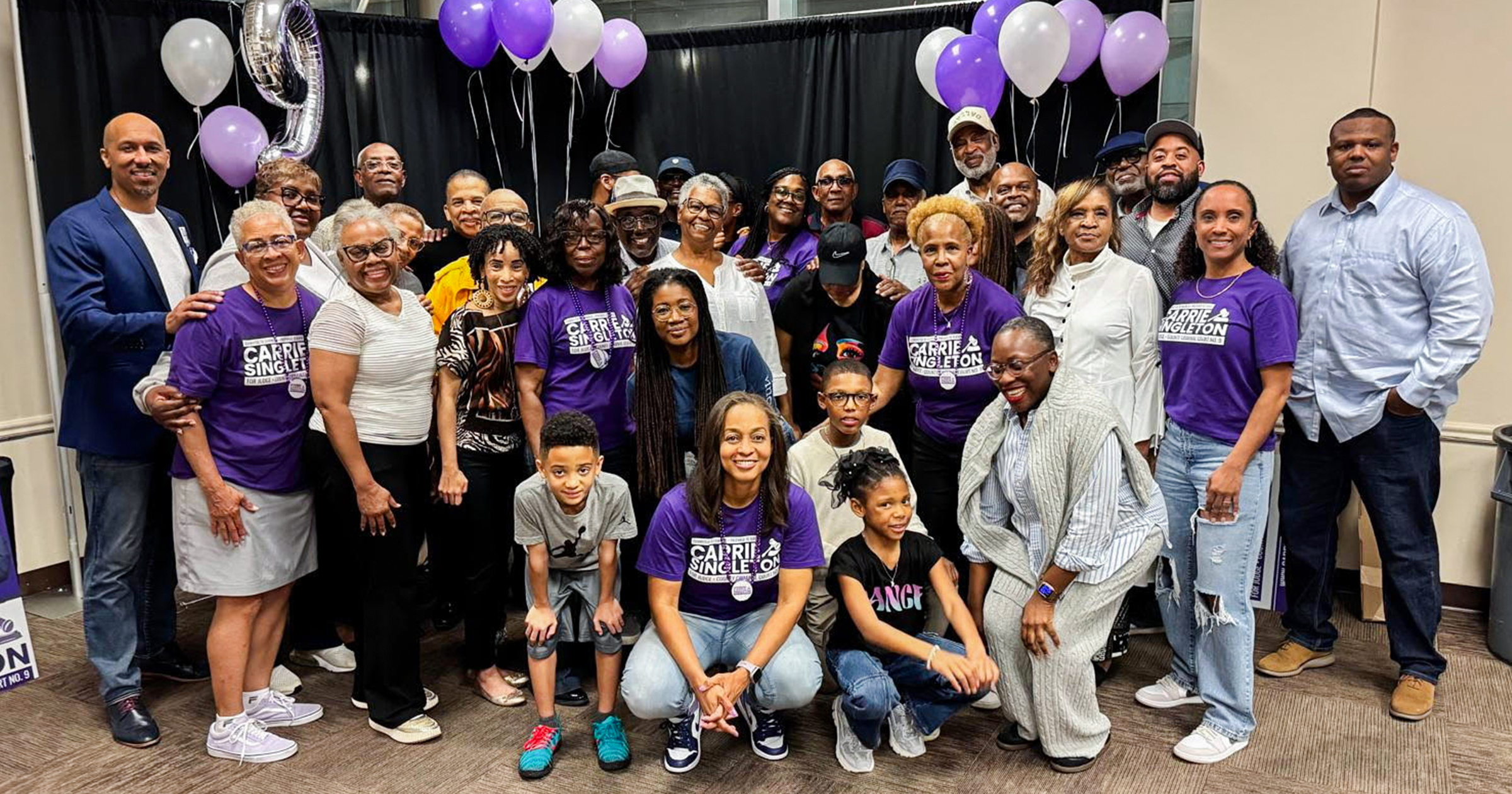
On election day, Singleton sat in front of the computer, surrounded by her friends and family, eating haystacks and peach cobbler. She refreshed the election results webpage, but the results hadn't been posted yet. The race between her and her opponent was close.
Every refresh brought either nervous silence or bursts of hopeful chatter. Singleton had never presumed victory, but she had woken up with a sense of peace that morning, moving through the day with unusual calm. Now, with the time drawing near, she remained composed and confident.
Unbeknownst to the room, the last of the precincts reported their results. Singleton waited for the webpage to load when her phone buzzed with a message from her campaign manager that said, “Congratulations, Judge!”
Then her cousin came bounding down the stairs, shouting, “Results are out!” The results were displayed for everyone to see, and the room erupted in cheers.
Singleton still thinks about the defendants who enter court carrying broken histories. As a judge, she hopes every person who stands before her will receive full consideration under the law, not judgment based solely on one of the worst moments of their life.
“I want to see people as individuals and change their lives in a positive way,” Singleton said. She prays for wisdom, fairness and discernment. Years earlier, she stood in a courtroom advocating for fairness from the defense table. Now she takes that same conviction to the bench.
By Victoria Martinez